ESPN’s ‘Murder at The U’ revisits the killing of Miami star Bryan Pata and the investigation that followed
Hosted by investigative reporter Paula Lavigne, the new 30 for 30 Podcast examines one of college football’s most haunting cases and the reporting that helped bring renewed scrutiny to it

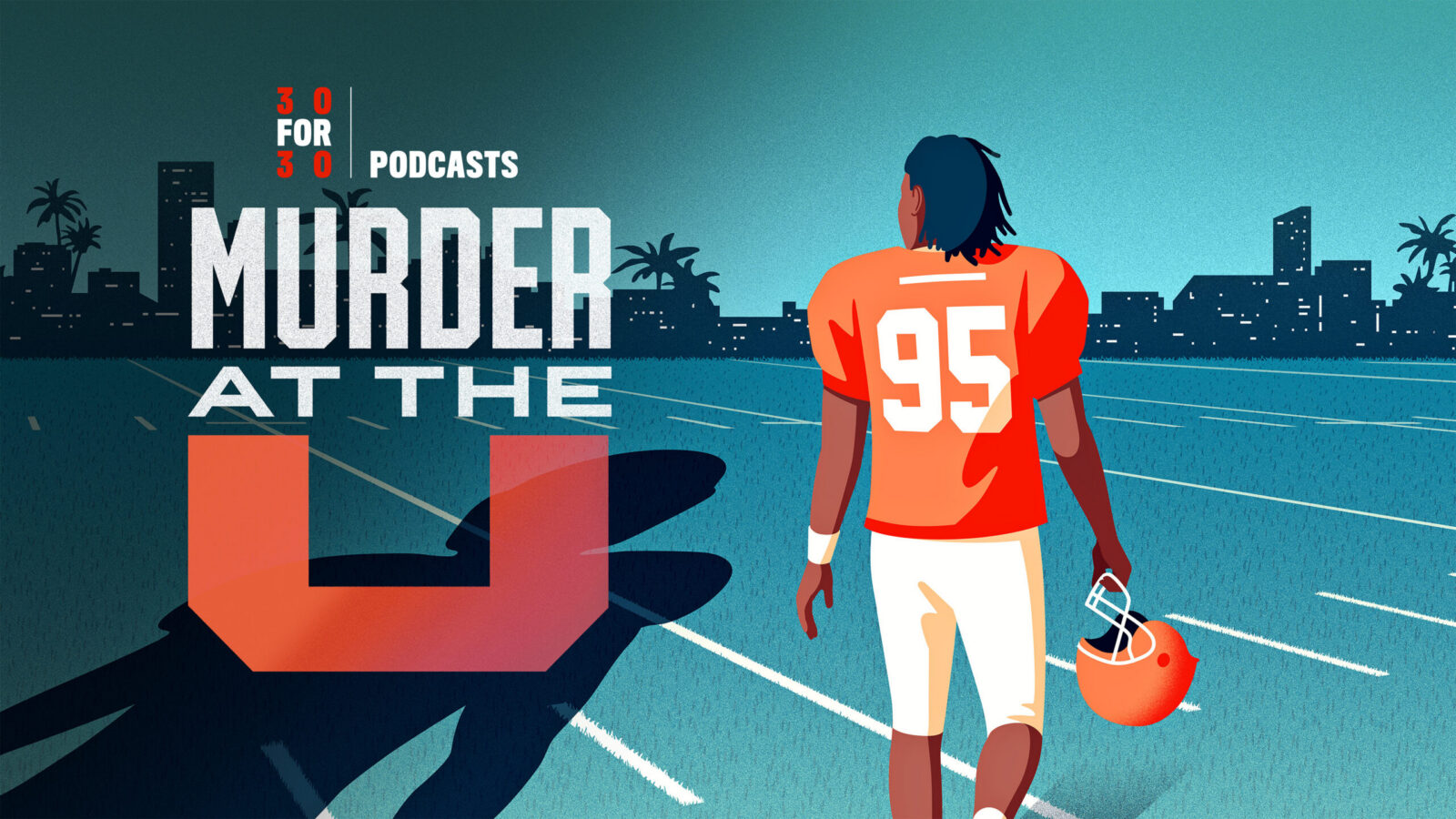
ESPN today premiered “Murder at The U,” the newest installment in its acclaimed 30 for 30 Podcasts series. Hosted by ESPN investigative reporter Paula Lavigne, the seven-part podcast revisits the 2006 murder of University of Miami defensive tackle Bryan Pata — a rising NFL prospect whose life was cut short when he was shot and killed outside his apartment after practice.
Nearly two decades later, the case reverberates, even as a former teammate now awaits trial.
“Murder at The U” follows the years-long search for answers led by Lavigne alongside fellow ESPN reporters Dan Arruda, Scott Frankel and Elizabeth Merrill — a cross-departmental team that remained committed to the story across multiple years and reporting cycles. Together, they reopened the investigation, pressed for transparency and helped bring renewed attention to a case that had long gone quiet.
Front Row asked Lavigne about the responsibility of revisiting such a deeply personal story and the persistence required to follow it wherever it might lead.
Now that the trial is underway, does the story feel different to you than it did when you first started digging into the case?
Yes — while we will always continue searching for more information, our role now feels rooted in providing as many answers as possible from the vast knowledge we’ve gained about this case and the people connected to it. We feel a real obligation to ensure the facts surrounding how the case is being handled remain front and center.
What responsibility did you feel — both as a journalist and storyteller — while continuing to follow the case over so many years?
After our team — including Dan, Scott and Elizabeth — first dug into this story, and especially after filing the public records lawsuit, we felt a responsibility to stay focused on the promises that were made. When police made an arrest within a year of our reporting without presenting new evidence publicly, it raised important questions about what role renewed scrutiny might have played.
We monitored every hearing, requested hundreds more records, interviewed additional sources, even located someone previously believed to be deceased and continued shining a light on the case through its many developments.
How do you hope audiences think about Bryan — not just as a victim, but as a person — while listening to the series?
In a few months, we’ll watch hopeful young athletes hear their names called in the NFL Draft — certainly some from Miami. I hope people think of Bryan as someone who should have had that same opportunity: walking across the stage, in the beige suit he was ultimately buried in and changing his and his family’s lives forever.
At least one of his former teammates, [Arizona Cardinals defensive lineman] Calais Campbell, is still playing in the league, and it often strikes me that Bryan could have been out there, too.