EDITOR’S NOTE: Scott Rasmussen is the co‑founder of ESPN, which he launched with his father, Bill Rasmussen, in 1979 after conceiving the idea a year earlier. Since leaving ESPN, Rasmussen has built a second career at the intersection of technology and public opinion, founding Rasmussen Reports and later RMG Research and the Napolitan Institute. Today, he is partnering with Google’s Jigsaw incubator on the “We the People” project, an AI‑driven initiative tied to America’s 250th anniversary that seeks deeper insight into public sentiment. He is the author of a new book, “Out of Touch: The Elite One Percent and the Battle for America’s Soul.”
In the third and final installment in an exclusive three‑part series for Front Row, Scott Rasmussen reflects on ESPN’s launch period — early acclaim, internal tension, opening night and difficult conversations with leadership that ultimately led him to walk away from the company. Watch “Sports Heaven: The Birth of ESPN,” the documentary premiering Monday, April 6 at 8:30 p.m. ET on ESPN.
THE END OF THE BEGINNING
The night that Getty Oil gave us the full funding go ahead, the CEO of Compact Video Bob Seidenglanz took me out to Chasen’s (the same high-end restaurant that Stu Evey tried to impress us with earlier). Bob even had a celebratory singing telegram delivered to the tune of “If They Could See Me Now.”
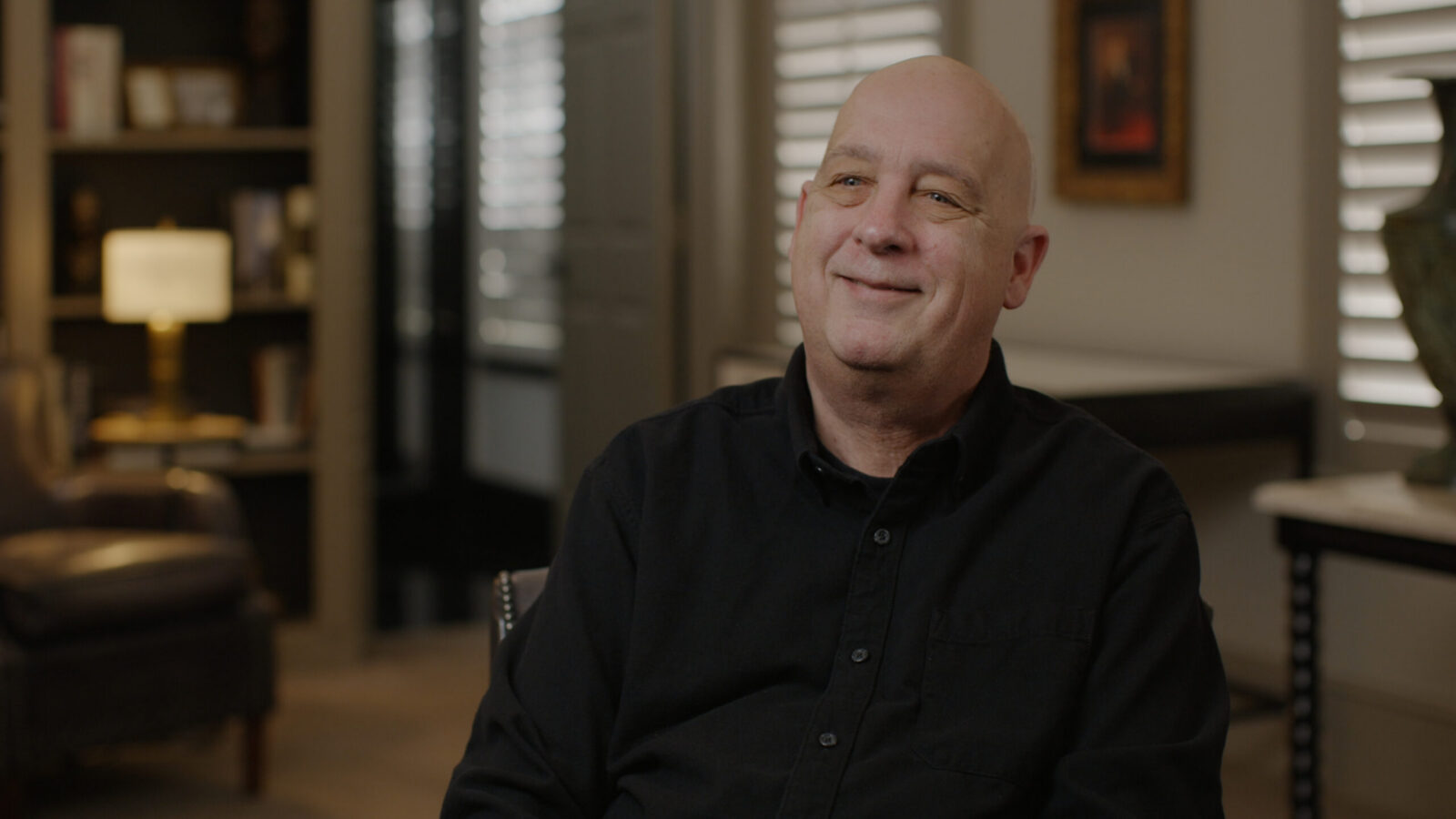
It was a heady moment. Bob and I have reconnected in recent years, and it’s been fun comparing notes about how each of us experienced the ESPN saga. I’m hoping we’ll find a way to do something together again.
Back then, however, I found myself living in a whole new world, one that led me to unusual encounters, flights on Getty’s corporate jet and strange events like a Beverly Hills demolition party.
A friend had purchased a home for the view but didn’t like the house. So, he invited us over for brunch, gave us a few drinks and encouraged us to scribble or paint on the walls. After a while, we were given hammers to demolish the walls and then cheered as bulldozers finished the job.
It was a weird time for me, made even weirder by the undercurrent of my growing alienation from ESPN.
The working relationship between Stu and I had deteriorated during the budget battles and other encounters leading up to this moment. That call broke it completely and solidified my alienation from the entire project. After that, there were just three big moments left in my ESPN journey — opening night, my last meeting with Stu and a final display of corporate pettiness.
Things came to a head in July when Sports Illustrated ran a glowing article on our network. Before we’d even gone on the air, the then-influential magazine said we were the best thing for sports fans since Monday Night Football and nighttime World Series games. It was an amazing endorsement.
My excitement about the article quickly dimmed when Getty Oil executive George Conner called to warn me that his colleague Stu was furious and that I should expect an angry call.
Stu was upset that my father and I were quoted, he was not — and Getty was barely mentioned.
I should have been more tactful in my response, but as a 23-year-old who had little interest in corporate hierarchy, my tone definitely added fuel to the fire.
When Stu demanded to know what had gone wrong, I defiantly told him nothing had gone wrong and angrily insisted that it was a great article.
Going further, I told Stu he had to understand that this was Sports Illustrated, and they didn’t care about Getty — they were interested in the sports angle. I assured him that if it had been Business Week, I would have talked about Getty. It was not an enjoyable call.
Part of me wishes that I had handled it better, but part of me knows it wouldn’t have made any difference.
The working relationship between Stu and I had deteriorated during the budget battles and other encounters leading up to this moment.
That call broke it completely and solidified my alienation from the entire project.
The highlight of that day, however, took place about an hour before the launch. My father and I snuck away from the chaos and walked around behind the building. We stopped and spent a moment reflecting on all that we had accomplished together and talked about the experience that only the two of us could fully appreciate. That special moment is my most cherished memory of my father.
After that, there were just three big moments left in my ESPN journey — opening night, my last meeting with Stu and a final display of corporate pettiness.
I woke up on September 7, 1979, with an emptiness in my heart.
We had spent a year racing full speed to reach this moment, and it had never really occurred to me that there would be a September 8. It seemed more like an ending than a beginning.
Still, watching our dream come to life in the control room at 7 p.m. ET was an absolutely thrilling moment. It’s something I will never forget.
The highlight of that day, however, took place about an hour before the launch.
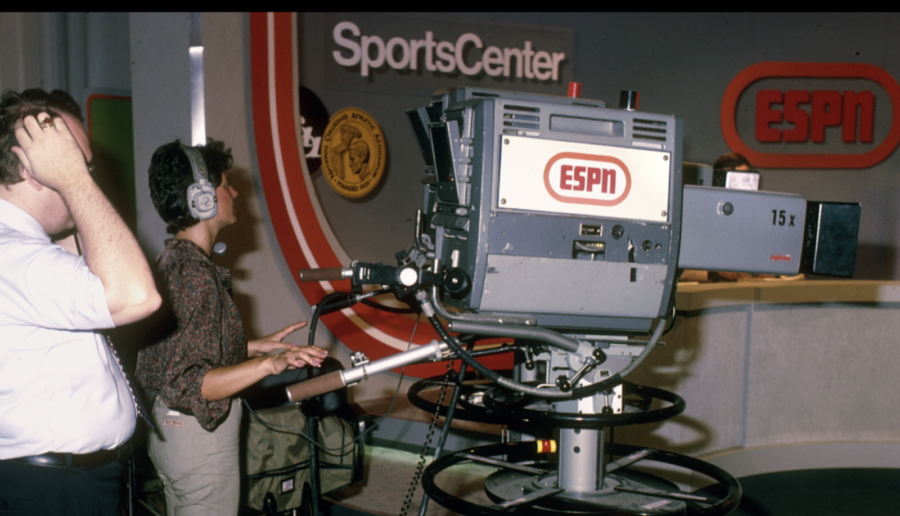 Mary Walton operates the camera as ESPN takes the air on Sept. 7, 1979. (ESPN Images)
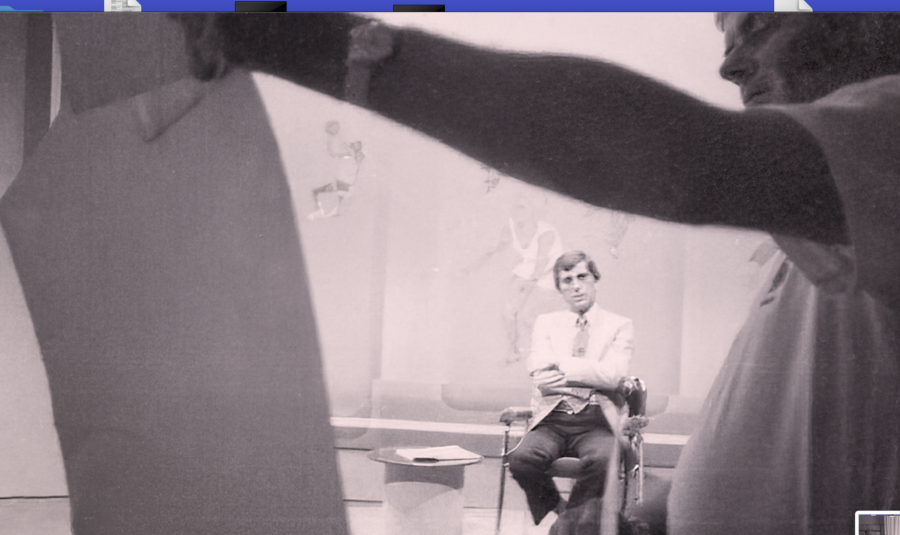 Producer Bill Creasy holds cue sheets for SportsCenter anchor Lee Leonard before the network went on the air. (ESPN)
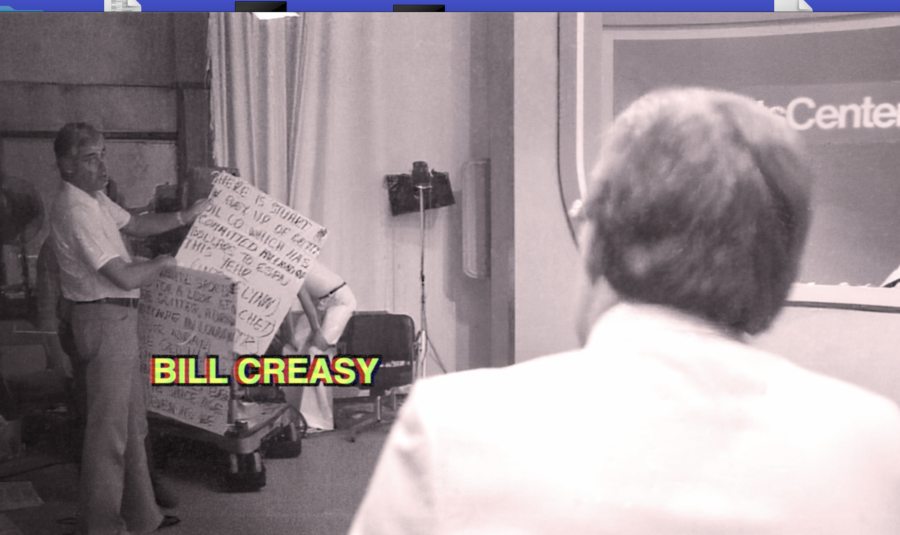 Here's another angle of Leonard and Creasy working together that night. (ESPN Images)
 A look at ESPN's programming lineup on Sept. 7, 1979. (ESPN)
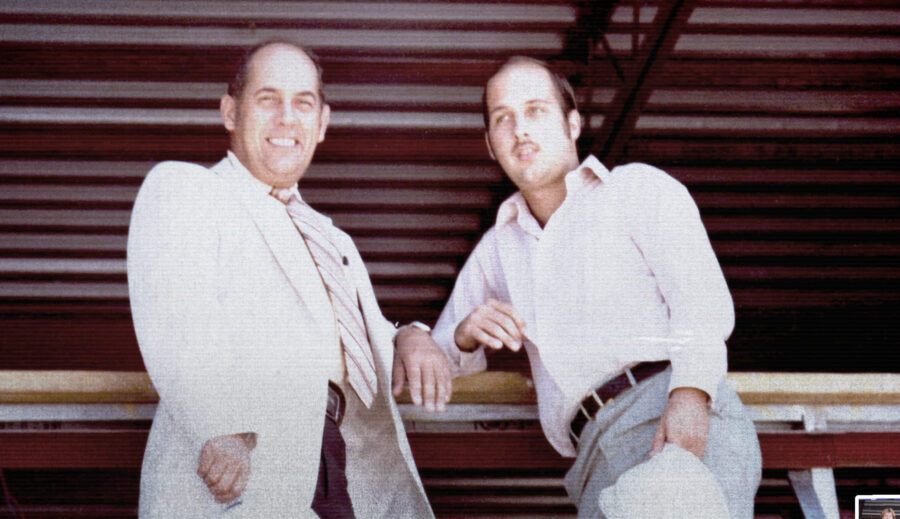 ESPN co-founders Bill (L) and Scott Rasmussen pose on campus in 1979. (ESPN)
My father and I snuck away from the chaos and walked around behind the building. We stopped and spent a moment reflecting on all that we had accomplished together and talked about the experience that only the two of us could fully appreciate. That special moment is my most cherished memory of my father.
It was more than that moment of course.
I think every kid wants to have time with their father and I’m thankful we had a chance to work closely together for a couple of years. Not only that, but we also managed to create something pretty special together. Even as my career and life moved in a different direction, nobody could ever take that away from us.
It wasn’t long after opening night before I was summoned to Stu’s office to discuss my future.
My attorneys instructed me to listen carefully, repeat my options back to him and commit to nothing.
During the meeting, I was very pleased with myself because my cold and unemotional demeanor literally made Stu squirm in his chair. To me, at the time, that was a sign I had learned to play his game and could beat him at it.
Looking back, I’m embarrassed by that memory.
It’s a glaring example of why the ESPN story is complicated for me. Being cold enough to make someone squirm in their chair is not the person I wanted to be. It certainly wasn’t the role model I wanted to be for my children.
Stu awkwardly tried to engage in a little small talk and smooth over our differences. I just sat there and said nothing. He then outlined two offers, one for me to stay and the other for me to go.
He spent a lot of time talking about the benefits of staying — I’d already caught the attention of Getty management; they had a great pension program, stock options and on and on.
It was hard not to roll my eyes.
When he finished, I did what my lawyers had instructed — repeated the offers for confirmation and said I’d get back to him. In reality, I was already gone emotionally.
It took only a few minutes to travel the six floors from Stu’s office to George’s office.
I called my father and said with delight that “I’m out of here.”
He was shocked.
Stu had called while I was on the elevator, and said he was sure I was going to stay.
Now, it was my turn to be shocked. My 23-year-old brain couldn’t possibly imagine why Stu would think or say that.
Looking back, I now realize that Stu was probably being sincere.
What he offered me as a young college dropout would have been a dream come true for a corporate animal like Stu.
As for me, I have come to think of the entire experience a bit like George Harrison’s line about the biggest break of his career was getting into The Beatles — and the second biggest was getting out.
From his perspective, he probably couldn’t grasp why such a corporate career path had absolutely no appeal to a young entrepreneur — especially one who had experienced what I had just gone through.
A couple of months ago, George told me how hurt he was when I called him with the news that I was leaving (he was in Bristol when I called from his LA office).
George said he remembered trying to talk me out of it. Now, however, he wanted me to know that he thinks I made the right choice. I really appreciated that.
Sadly, that was my last conversation with George before he left this earth.
It took a couple of months after my meeting with Stu for lawyers to work out the details, but there was still time for one last pettiness from Getty.
In my separation agreement, they were to issue a press release announcing my departure and include an appropriate quote from me. I came up with a great quote, but the release was never issued.
When I asked about it, they told me I’d gotten my money and that was enough. It wasn’t really that big of a deal, but it was a final dig that left me with a bad taste of large corporations, a bad taste that lingers to this day.
To avoid talking about all those tumultuous times, I eventually learned to deflect by quoting an old Ricky Nelson song, “If memories were all I sang, I’d rather drive a truck.”
In addition to being a way to avoid a conversation I didn’t want to have, it was true. Talking about my current projects is always more fun than talking about something that happened long ago.
Since that last meeting with Stu, I’ve been back to ESPN just one time.
When our oldest son was 8, my wife and I felt we’d better tell him and his brother about my role before the boys heard about it from someone else.
So, we took them to Bristol, told them a short version of the story, and let them get some photos on the SportsCenter set. It was part of a Northeastern family road trip, and I was pleased that they seemed more impressed by their first visit to Yankee Stadium!
As for me, I have come to think of the entire experience a bit like George Harrison’s line about the biggest break of his career was getting into The Beatles — and the second biggest was getting out.
PART 1 | PART 2